Complete Guide to choosing quality senior care for a loved one
Understanding dementia support services:Essential knowledge to comprehend
Grasping care related to dementia is vital for both people affected and those providing care. Detecting the initial indicators, such as memory loss and language difficulties, can lead to timely intervention. Different types of dementia, including Alzheimer's and vascular dementia, generate particular obstacles. A caring atmosphere and effective care strategies can substantially improve living standards. Yet, mental health difficulties and regulatory matters complicate the journey of caregiving. Which methods can guarantee total assistance while addressing these complexities?
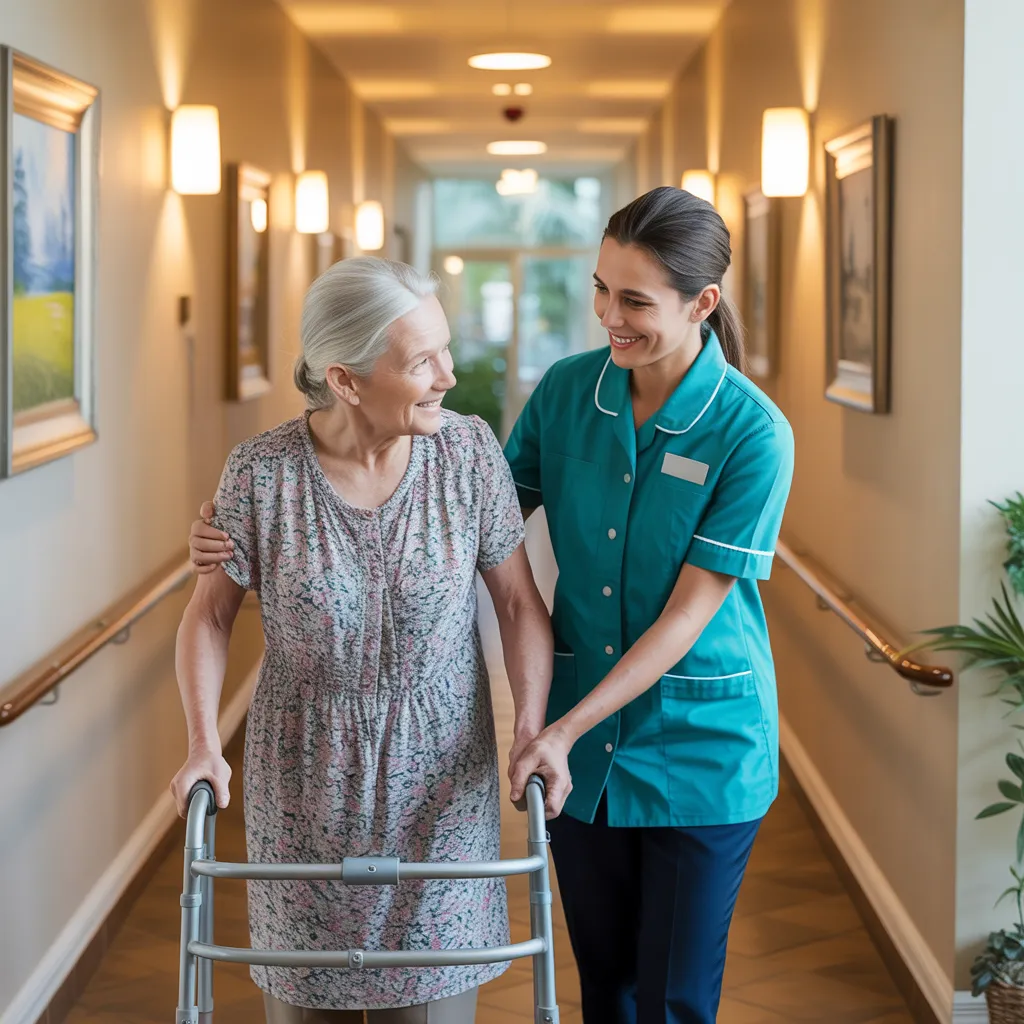
Detecting the Early Red Flags of Dementia
How can one spot the early signs of dementia? Recognizing the first signs is crucial for timely intervention. Common symptoms include memory loss, especially missing out on recent events or conversations. People may also suffer from difficulty in planning or organizing tasks, leading to confusion in everyday activities. Modifications in language abilities, like having trouble to find the appropriate copyright or follow conversations, often become evident.
Moreover, a person might demonstrate alterations in mood or behavior, ranging from increased irritability to social isolation. Difficulty in recognizing familiar places or faces can also emerge. These signs may be inconspicuous at first, but their progression can markedly impact daily living. Awareness of these early symptoms allows for appropriate discussions with healthcare providers, facilitating early diagnostic assessments and potential support options. Understanding these signs is essential for both the individual and their loved ones in maneuvering the complexities of dementia care.
What Are the Several Variations of Dementia?
Comprehending the early signs of dementia is simply the start in navigating the intricacies of this condition. Dementia is an comprehensive term that encompasses multiple types, each with unique features and underlying causes. Alzheimer’s disease is the most prevalent form, noted for progressive memory loss and cognitive decline. Vascular dementia is next, often resulting from strokes, resulting in impaired judgment and reasoning. Lewy body dementia presents with changes in attention, visual hallucinations, and motor symptoms similar to Parkinson’s disease. Frontotemporal dementia affects younger adults, causing changes in personality and behavior due to degeneration of the brain’s frontal and temporal lobes. Additional types include mixed dementia, which merges traits of multiple forms, and normal pressure hydrocephalus, noted for fluid buildup in the brain. Comprehending these types is essential for accurate diagnosis and care strategies, in the end improving the quality of life for those living with dementia.
Developing a Welcoming Surrounding for Alzheimer's Management
Constructing a supportive environment for people with dementia entails careful consideration of their living spaces and cognitive requirements. Safe residential areas reduce hazards and strengthen self-reliance, while memory reinforcement approaches can help in communication and recall. Working together, these elements cultivate a perception of security and quality of life for those touched by dementia.
Safe Residential Spaces
A professionally planned living space can greatly enhance the standard of living for individuals with dementia. Creating secure environments demands eliminating hazards and fostering self-determination. Excess items should be removed to avert confusion and accidents, while clear corridors support movement. Sufficient illumination is essential; well-lit spaces help people navigate their environment effortlessly and lower stress. Adding familiar objects can supply comfort and a connection to home. Furthermore, applying different color contrasts to walls and floors can improve orientation abilities. Secure outdoor spaces allow safe exploration, fostering exercise. Overall, intentional design features foster a supportive atmosphere that strengthens independence and improves living experiences for those living with dementia.
Memory Promotion Approaches
Memory reinforcement techniques play an essential role in assisting individuals with dementia by boosting recall and building a sense of security. These strategies include the use of cognitive supports, such as visual cues, labels, and photographs, which can help individuals navigate their surroundings and trigger memories. Consistency in routines and familiar environments further support cognitive function. Engaging in reminiscence therapy, where individuals share past experiences, also encourages mental stimulation and emotional connection. Additionally, fostering social interactions can boost memory recall and minimize feelings of isolation. These techniques not only aid memory but also contribute to general health, helping individuals with dementia maintain a sense of identity and connection to their past. Creating a supportive environment is vital for effective dementia care.
Top Approaches for Delivering Effective Dementia Services
Effective dementia care depends on the adoption of person-centered approaches and communication techniques adjusted to specific requirements. By prioritizing the wishes and backgrounds of those with cognitive decline, caregivers can establish a more supportive environment. Furthermore, utilizing transparent and empathetic matching information dialogue can significantly improve engagement and comprehension.
Patient-Centered Care Systems
Implementing person-centered care approaches significantly enhances the quality of life for individuals diagnosed with dementia. This strategy prioritizes the unique preferences, needs, and values of every person, ensuring that care is specifically tailored to each one. By fostering a helpful and respectful space, caregivers can encourage independence and engagement, helping individuals to maintain a sense of identity. Activities should be aligned with the person's past interests and patterns, supporting meaningful interactions and alleviating anxiety. Participatory decision-making further empowers individuals and their families, reinforcing their role in the caregiving procedure. Providing caregivers with training in these approaches is crucial, as it arms them with the capabilities to respond with empathy and efficiently to the changing needs of those with dementia.
Effective Communication Techniques
Clear and compassionate dialogue is essential in dementia care, as it greatly impacts the well-being of individuals affected by the disease. Successful methods include using simple language, keeping eye contact, and talking at a slow pace to enhance understanding. Body language, such as gestures and facial expressions, can also strengthen verbal communication, providing additional context. It's important to confirm feelings and experiences, even if they are rooted in misconceptions, to foster trust and decrease anxiety. Listening actively and giving ample time for answers promotes engagement. Furthermore, reducing distractions in the surroundings can also boost focus. Overall, employing these strategies promotes a caring environment, allowing people living with dementia to be respected and comprehended, consequently improving one's standard of living.
Tackling Psychological Struggles in Dementia Support
Even though caregivers often approach dementia care with empathy and commitment, they frequently encounter major mental health difficulties that can influence both their wellness and the quality of care provided. Sense of frustration, sadness, and isolation are common as care providers navigate the intricacies of the disease. The emotional strain can result in burnout, weakening their ability to offer steady support.
To tackle these issues, caregivers can benefit from developing coping strategies, such as establishing regular schedules and defining achievable goals. Engaging in personal care—like physical workouts, interests, or mindful meditation—can help maintain mental balance. Additionally, encouraging open communication with family members and friends permits caregivers to express their concerns, easing social isolation. Understanding the importance of requesting support when needed is crucial; caregivers must place importance on their psychological well-being to maintain their caregiving roles properly. By facing these emotional challenges, caregivers can enhance both their quality of life and the care they provide to those with dementia.
Tools and Support for Care specialists
Managing the challenges of dementia care can be overwhelming, but extensive resources and support systems are available to support caregivers. Major groups, such as the Alzheimer's Association, deliver educational materials, helplines, and local support groups that foster connection among caregivers. Online forums and blogs furthermore offer a platform for sharing experiences and advice, allowing caregivers feel less isolated.
In addition, respite care services offer caregivers time away, permitting them to restore themselves and maintain their health. Community centers regularly run skill-building programs and seminars to supply caregivers with necessary competencies for addressing daily challenges. What's more, numerous medical experts can direct caregivers toward focused therapeutic options customized for manage the emotional strain associated with caregiving. By making use of these resources, caregivers can expand their understanding, develop meaningful connections, and in the end boost the quality of care they offer, ensuring both their own needs and the needs of their loved ones are satisfied.
Future Planning: Law and Financial Advice
Since family supporters manage the complexities of supporting family members with mental decline, planning for tomorrow becomes a significant concern. Legal and monetary steps can tremendously decrease worry and ensure that the requirements of people with mental decline are addressed. Caregivers should think about forming powers of attorney for financial and healthcare, granting trusted parties to make determinations when required. Furthermore, drafting a living will can express choices pertaining to healthcare treatment.
It is critical to evaluate present financial resources and plan for possible long-term care costs. This may involve working with financial planners who focus in senior care to investigate coverage plans or public assistance. Furthermore, arranging vital paperwork, such as wills and medical records, can streamline procedures during crises. By addressing these financial and legal aspects in advance, caregivers can protect their loved ones' well-being and offer a clearer path forward amidst the challenges of dementia.
Common Inquiries Asked Often
How Can I Connect Better With Someone Who Has Dementia?
To express yourself better with someone who has dementia, one should communicate using plain language, establish eye contact, exercise patience, listen actively, and validate their feelings, fostering a supportive environment that encourages understanding and connection.
What Typical Myths Exist About Dementia?
Common misunderstandings about dementia include the beliefs that it solely affects memory, is inevitable with aging, and cannot be managed. Additionally, many downplay the emotional impact on individuals and families, often regarding dementia as a purely medical condition.
How Does Dementia Impact Relationships With Loved Ones and Companions?
Dementia can compromise relationships with those they care about, often sparking misunderstandings, withdrawal, and modified relationship roles. Those caring may feel overwhelmed, while those around them might experience disconnection as communication and recognition decline considerably.
What Should I Act if a Dementia Crisis Happens?
In a dementia emergency, it is essential to remain calm, guarantee secure conditions, and evaluate the situation. Reach out to medical experts for guidance, provide comfort, and maintain a caring atmosphere to help ease distress for the individual.
How Can I Look After of Myself as a Caregiver?
Caregivers must stress self-care by setting limits, obtaining help from peers or group support, participating in consistent exercise, maintaining healthy nutrition, and guaranteeing time for leisure activities and personal interests to rejuvenate mentally and physically.